Landscape Irrigation
Landscape irrigation involves artificially applying controlled amounts of water to lawns, gardens, and plants. Proper systems promote water conservation and healthy growth by matching water delivery to local soil types and plant requirements. Common methods include targeted drip irrigation, widespread overhead sprinklers, and manual watering.
Types of Irrigation Systems:
Choosing the right system depends on the types of plants being watered, soil conditions, and the size of your landscape.
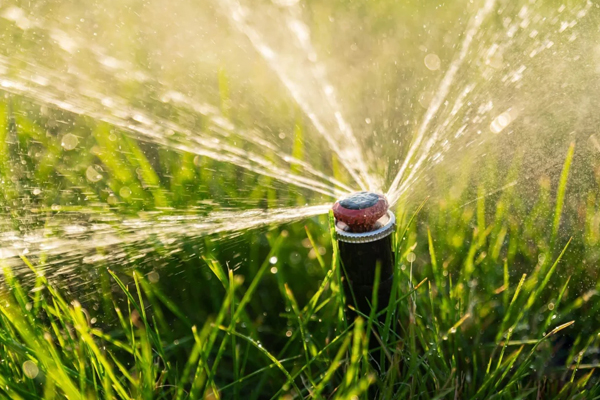
Drip Irrigation: Highly efficient; flexible polyethylene tubing slowly delivers water directly to the base of plants or root zones. This method minimizes water waste from evaporation and runoff, making it ideal for flower beds, shrubs, and trees.Sprinklers (Spray Systems): Best for broad coverage areas like lawns and turf. These use underground pipes connected to pop-up or stationary spray heads. They cover large spaces quickly but require careful monitoring to avoid over-watering.
Blended Systems: Many comprehensive landscapes use a mix of both. Sprinklers are used for wide grassy areas, while drip lines are routed to landscaped borders and potted plants.
Anjan Associate, All right reserved.
Designed By Helloweb
