Aquaponics
A sustainable food production method that combines aquaculture (raising fish) and hydroponics (growing plants without soil) into a single, closed-loop ecosystem. Fish waste provides nutrients for the plants, while the plants filter the water, creating a symbiotic relationship.
How It Works:
Fish Production: Fish are raised in a tank and produce waste rich in ammonia.Nitrification: Naturally occurring beneficial bacteria convert the toxic ammonia into nitrites, and eventually into nitrates.
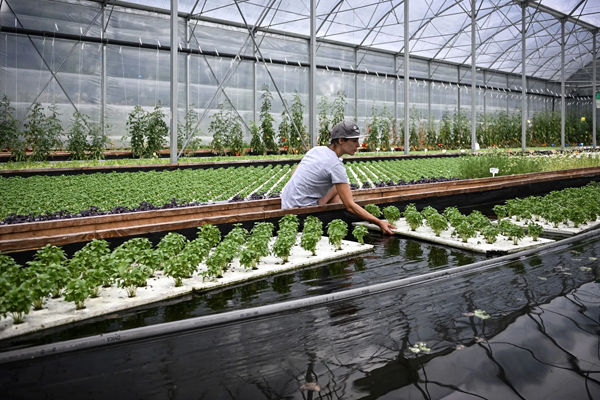
Plant Absorption: Water rich in nitrates is pumped to the plant grow beds, where plants absorb the nitrates as vital nutrients.
Water Recirculation: The plants clean and filter the water, which is then recirculated back into the fish tank.
Key Benefits:
Resource Efficiency: Aquaponic systems use roughly 90% less water than traditional soil-based farming because the water is constantly recirculated.No Synthetic Fertilizers: The fish waste acts as an organic fertilizer, eliminating the need for added chemicals.
Dual Output: Farmers can harvest both a protein source (e.g., tilapia, trout) and fresh produce (e.g., lettuce, herbs, tomatoes) from a single footprint.
Core Components:
Rearing Tank: The tank or enclosure where the fish live.Biofilter: The area where beneficial bacteria colonize to break down fish waste.Hydroponic Grow Bed: The area where plants are grown, often utilizing grow media like clay pebbles.
Water Pump: Mechanism to circulate the water between the fish tank and the grow bed.
Anjan Associate, All right reserved.
Designed By Helloweb
